

Infant
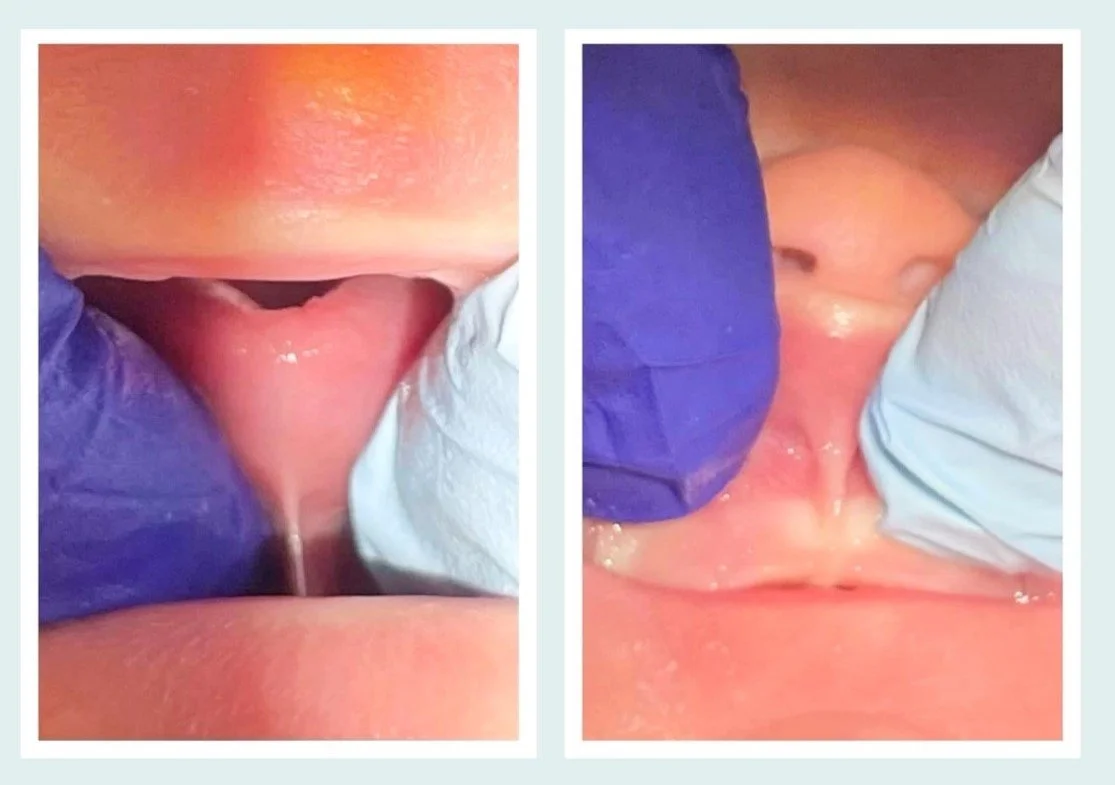
Tongue tie and lip tie concerns can be especially important for parents of newborns and infants.
A tongue tie can limit the ability to properly suck and a lip tie affects the ability to latch. When feeding concerns are present, a careful assessment can help determine whether a restricted frenulum may be contributing.
Not every infant with a tongue or lip tie requires treatment.
Dr. Bunt assesses each infant individually and discusses the findings and treatment options with parents.
Symptoms in Infants
In infants, tongue tie symptoms can vary in severity. Mild cases may not present with noticeable issues, while more severe cases can interfere with vital functions such as feeding.
Trouble Latching During Breastfeeding: Infants may struggle to get a proper latch, leading to an ineffective feeding experience.
Frequent Spitting Up or Reflux: Feeding difficulties can lead to digestive issues like spitting up.
Poor Weight Gain: Challenges in nourishing can result in inadequate weight gain.
Frustration or Irritability When Eating: Infants may exhibit distress during feeding times, impacting their overall mood.
Smacking or Popping Sounds When Feeding: These sounds may indicate improper suction and feeding technique.
Longer Feeding Sessions: Feeding may take significantly longer due to inefficiency.
Frequently Losing Hold of a Pacifier: Poor tongue control can result in difficulty maintaining a pacifier.
Clicking sounds during feeding: Babies with tongue-tie may make clicking sounds while feeding, especially from a bottle. This is due to the difficulty in creating a good seal around the nipple.
Heart-shaped tongue: The tongue may appear heart-shaped or notched when the baby sticks it out. This is because the frenulum, the tissue connecting the tongue to the floor of the mouth, is short and restricts the tongue's movement.
Symptoms for Mothers
The breastfeeding experience can also become quite painful for mothers of infants with tongue tie. The struggles they witness can lead to frustration, compounded by physical discomfort.
Physical Discomfort: Mothers might experience flattened, creased, blistered, or cut nipples, which makes breastfeeding challenging.
Milk Supply Issues: If the baby isn’t feeding effectively, it may lead to diminished milk supply and inadequate breast drainage.
Decision to Forego Breastfeeding: The combination of physical pain and the emotional stress of feeding difficulties may lead many mothers to stop breastfeeding entirely.
Recognizing these challenges early can help parents seek the right support and interventions, fostering a more positive experience for both mother and child. If you suspect your child may have a tongue tie, consulting with a tongue tie trained healthcare professional can give you piece of mind.

Questions about your baby’s tongue or lip tie?
Children & Teenagers
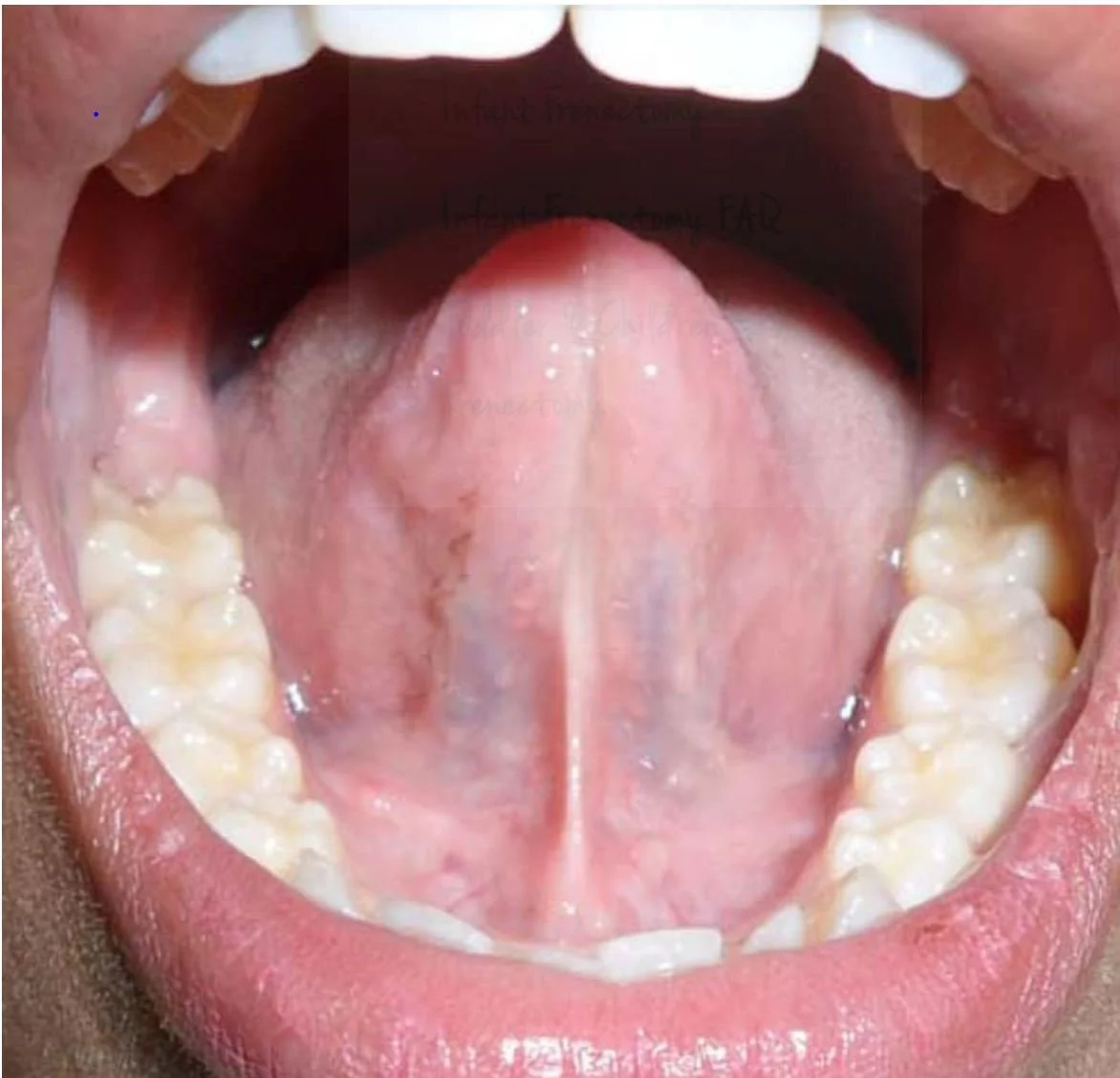

Children with a tongue tie can face a variety of challenges as they grow, which may only become apparent over time. The impact can be substantial, affecting not just their eating and speech but also their breathing, sleeping, posture, mental focus and concentration.Common Difficulties for Children
Inability to Chew Age-Appropriate Solid Foods: As children transition to solid foods, a tongue tie can hinder their ability to chew effectively.
Gagging, Choking, or Vomiting Foods: Difficulty with food intake can lead to uncomfortable and potentially dangerous incidents during mealtime.
Persisting Food Fads: Limited food preferences or aversions may develop, influenced by their struggles with eating.
Dental Hygiene Issues: Maintaining proper dental care can be challenging, as a tongue tie can restrict movement necessary for effective brushing and flossing.
Persistence of Dribbling: Challenges with oral motor control can lead to increased drooling.
Delayed Development of Speech: Tongue tie can affect articulatory movements, resulting in speech delays.
Deterioration in Speech: As children grow, pre-existing speech issues may worsen without intervention.
Behavior Problems: Frustration related to eating or communication can lead to behavioral concerns.
Early Dental Problems: Misalignment of teeth or other dental issues can arise, often exacerbated by improper oral habits.
Loss of Self-Confidence: Children may feel different from their peers, impacting their social interactions and self-esteem.
Development of Compensation Habits: Strong, incorrect habits can form as children learn to cope with the limitations of their condition.