

What is a lip tie and how can it affect breathing and feeding?
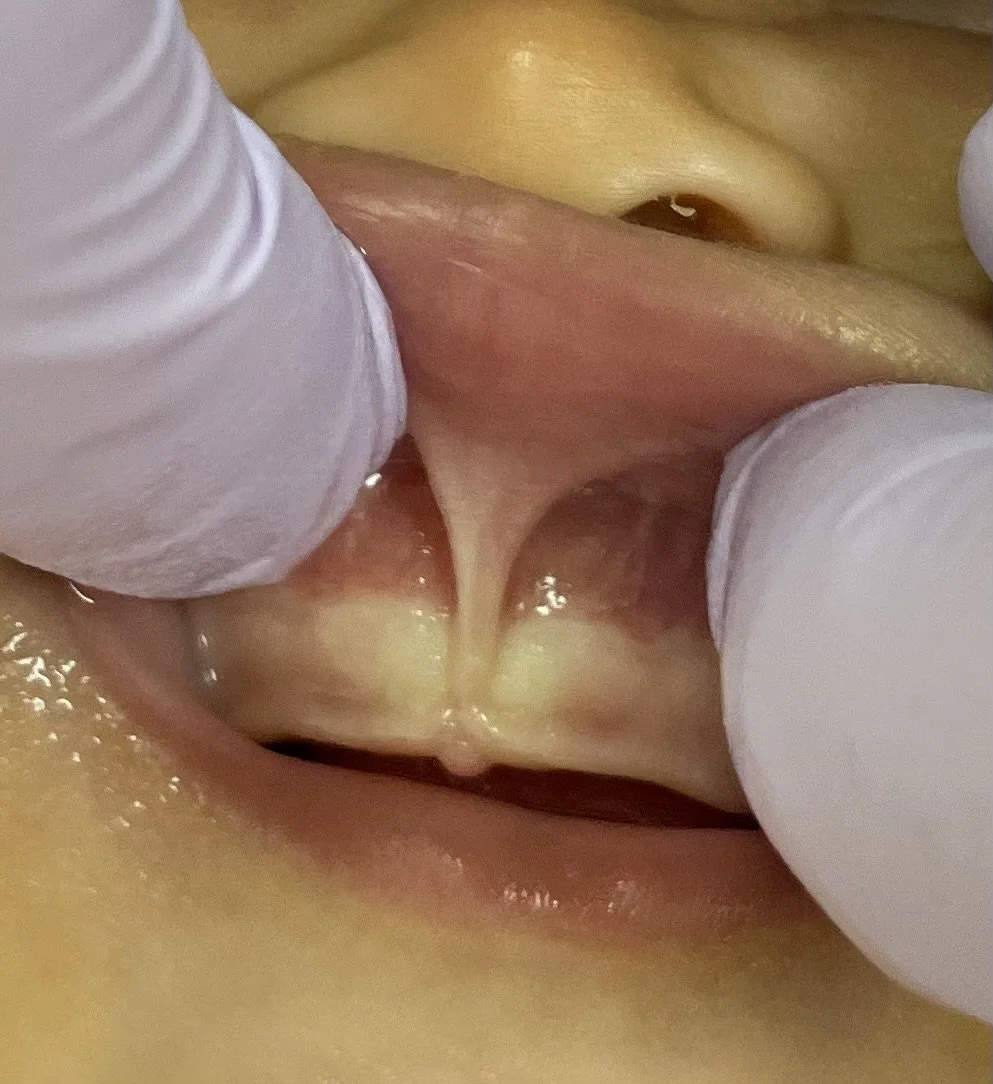
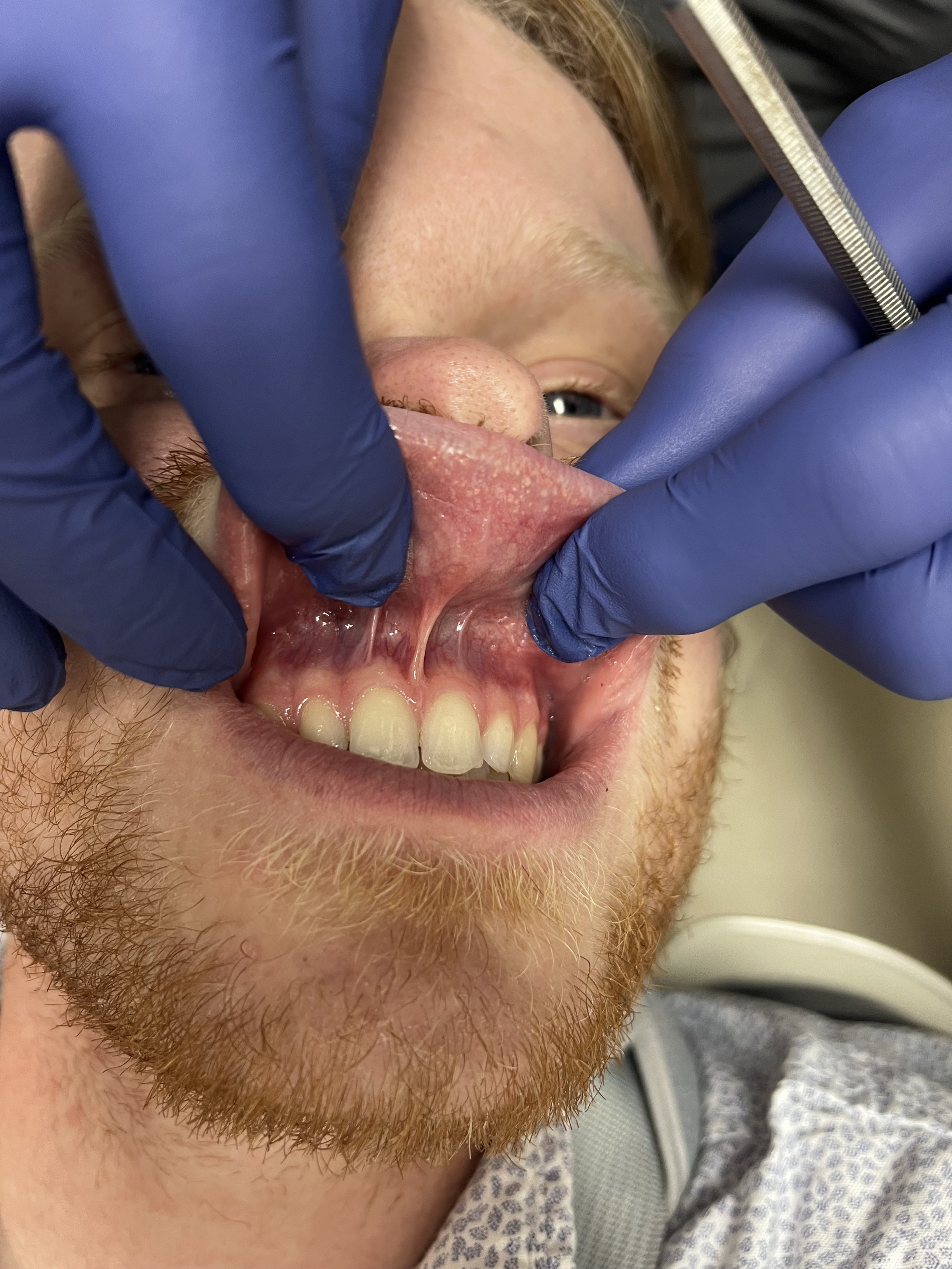
In the middle of the face under the upper and lower lip there is a band of tissue known as the labial frenulum.
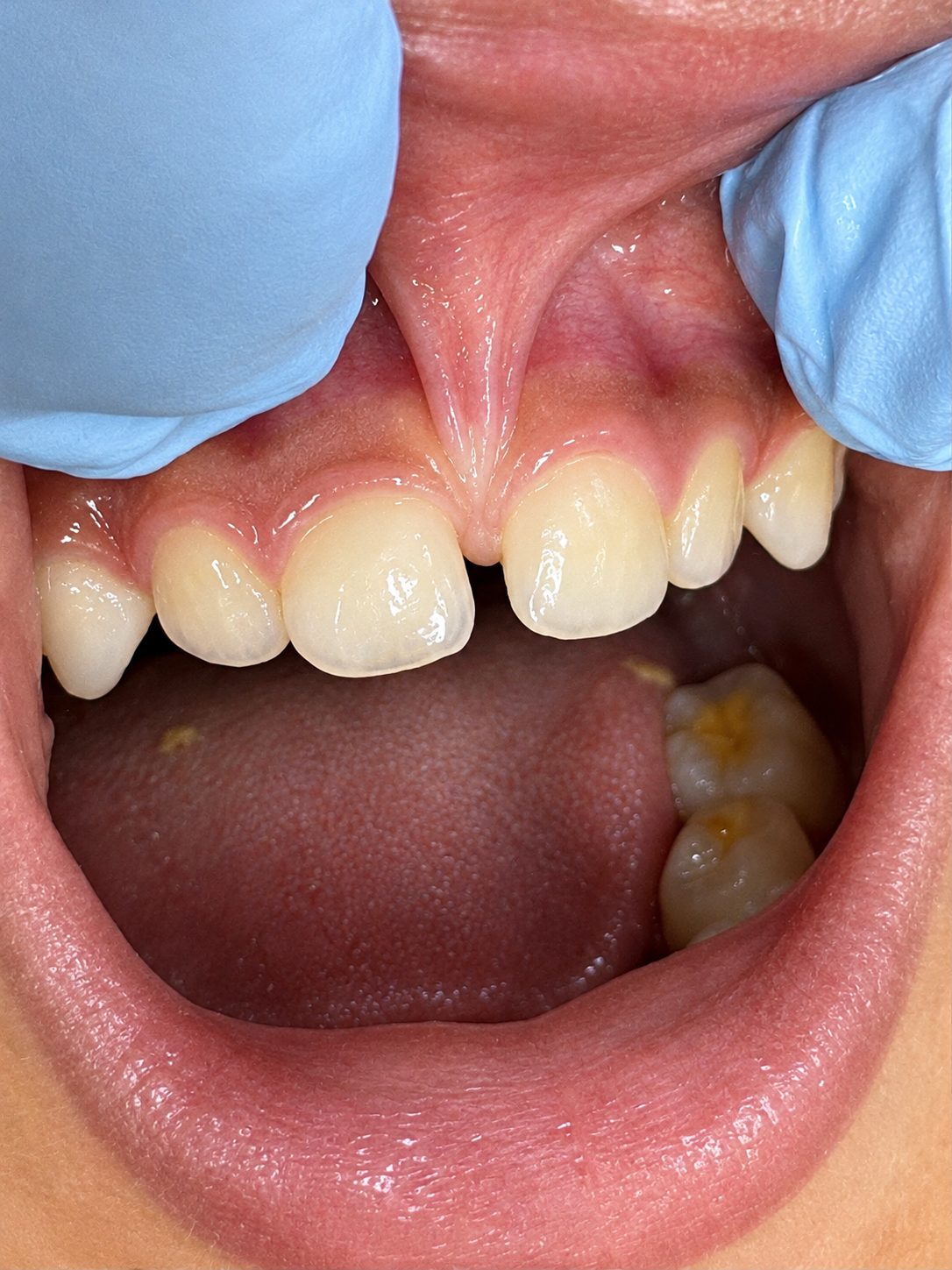
In an infant ,an abnormally tight labial frenulum can disrupt the seal around the breast or bottle nipple, leading to increased air intake , contributing to reflux and gas symptoms or breast pain for the breastfeeding mother . The lip should be able to flare widely , allowing a deep, effective latch on the breast or bottle during feeding . In toddlerhood, a short labial frenulum may cause a gap between the front teeth , as well as having an impact on eating and drinking , as well as jaw bone growth and the ability to properly breath through the nose. These symptoms can persist into adulthood .
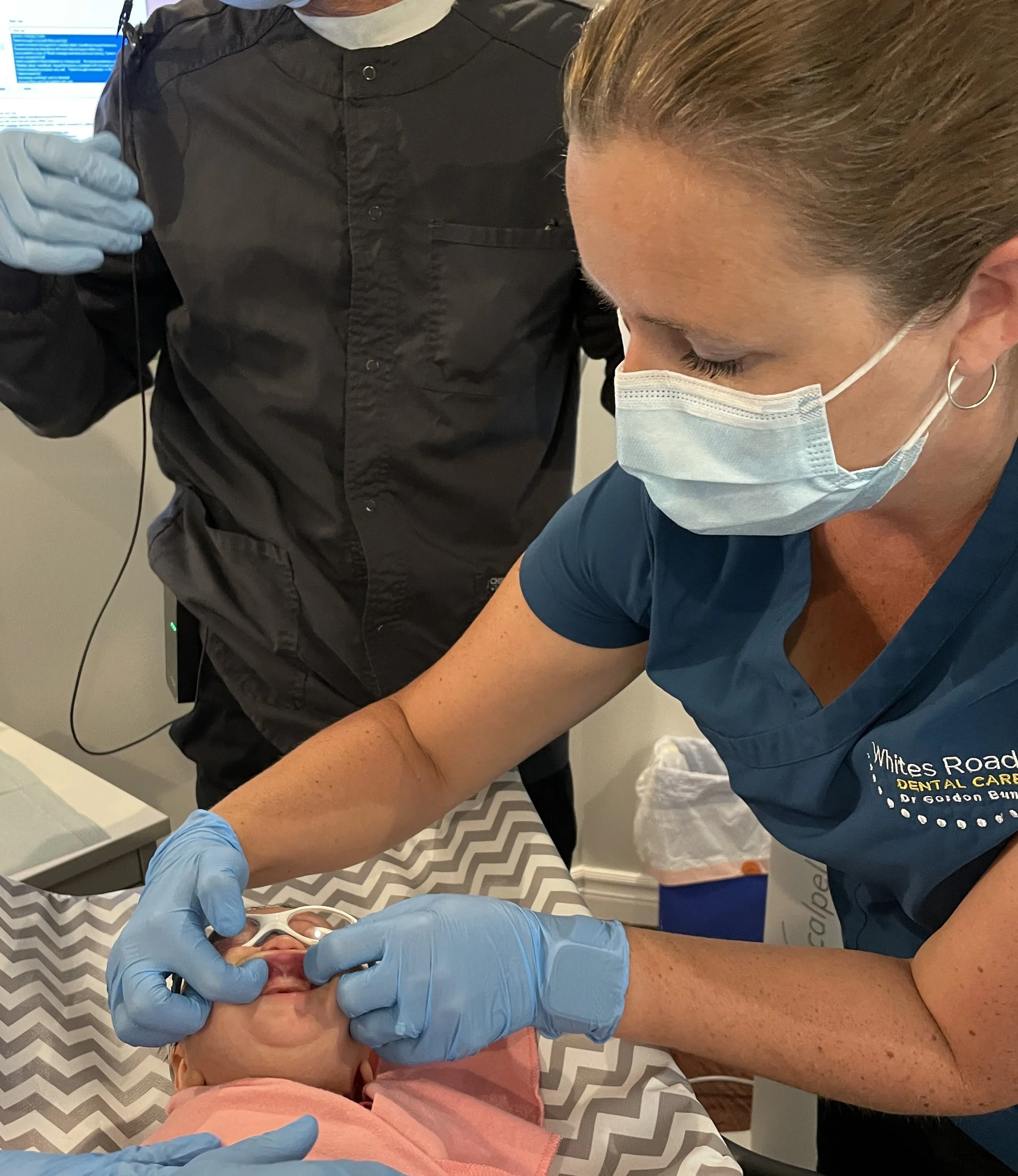
I have been providing lip and tongue-tie assessments and frenectomy services to infants, children and adults in Ontario since 2014. I take pride in performing tongue-tie release only when it is clinically indicated. During our consultation, I take a detailed feeding and sleeping history and perform an anatomical and functional assessment to determine if a tongue or lip tie release is indicated for function.
A collaborative care treatment approach
Prior to having a tongue or lip tie evaluation, children should be assessed by an International Board Certified Lactation Consultant (IBCLC) or feeding specialist (a trained SLP or OT).
Lactation consultants are experts in guiding mothers throughout their feeding journeys and addressing concerns regarding milk supply, latch comfort, breast and bottle feeding techniques, infant feeding patterns, positioning and so much more.
Myofunctional therapists and some speech language pathologists or occupational therapists have special training to become experts in pediatric feeding and swallowing; they can assess and address concerns regarding oral tone, strength and oral motor coordination in infancy and childhood.
Working with a functional specialist provides important insight on oral reflexes, postural habits, or speech (if age appropriate) to help differentially diagnose the root cause of the child’s symptoms or to clarify a potential link between a short frenulum and the symptom presentation.

Does your child have a lip or tongue tie?
We can help you get the answers you deserve to make an informed decision.